If you've ever run short of whipped lotion mid-service or mid-party, you know the sting. One min you're piping neat rosettes, the following you're trembling a vacant dispenser, viewing a dessert pass away on the pass. The simple question behind moments like that is deceptively tricky: the number of cream chargers do you really require, and what will it set you back? The answer rests on your equipment, your recipes, your volume, and how you handle return. When you get the mathematics right, you conserve time, money, and disappointment. When you get it incorrect, you shed cash money and a good reputation at precisely the wrong moment.
I have actually functioned both sides, from coffee shop pastry boards to event bars where a single siphon produce espresso martini foam for a line of dehydrated people. The estimations change with each setting, but the structure remains solid. Allow's map it out.
What cream chargers actually do
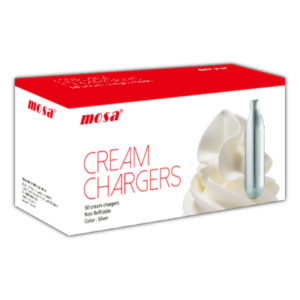
Cream battery chargers, often identified as whipped cream chargers, N2O cream chargers, or Nitrous Oxide cream chargers, are small steel cylinders full of laughing gas. You puncture the battery charger to pressurize a lotion dispenser. The gas dissolves in the fat stage of the cream, after that forms microbubbles when dispensed. That's the appearance you desire: secure, featherlight, and pipeable.

One 8 gram N2O charger is the standard in many kitchens. Larger systems exist, including 16 gram cartridges and refillable containers, however the majority of tiny hospitality configurations and home users still run 8 gram battery chargers. The remainder of this overview thinks you're utilizing a normal 0.5 litre or 1 litre siphon coupled with 8 https://andreggpa012.bearsfanteamshop.com/seasonal-rewards-utilizing-whip-cream-chargers-for-holiday-themed-desserts gram chargers.
The missing out on variable: your return per charger
Too many overviews wave their hands at yield and call it a day. That's not exactly how solution jobs. You can't prepare inventory on uncertainty. Yield depends upon four main factors: cream fat percentage, how cold whatever is, vessel dimension, and how you bill and shake.
- Cream fat portion. Heavy cream at 36 to 40 percent fat handles gas and holds it much better than light cream. You'll obtain greater stability, more consistent rosettes, and much better yield with 36 percent or higher. Temperature. Cold cream behaves perfectly. Warm cream slumps, vents gas early, and sheds quantity. Cool the dispenser, the cream, and also the nozzles prior to service. The difference is not subtle. Vessel size and headspace. Overfilling a siphon minimizes the room the gas requires to liquify and distribute. Stay within the fill line. Technique. One strong cost, 8 to 10 firm drinks, and a minute of remainder benefits pure lotion. Add sugar or flavorings, and you may require a 2nd fee or a slightly various drinking rhythm. Over drinking destabilizes foam. Under shaking gives you wet ribbon as opposed to a tidy whip.
With solid technique, right here's what you can anticipate as a functioning standard:
- 0.5 liter siphon with 1 charger, filled up to the line with 36 to 40 percent cream: about 1.5 to 2 times the liquid quantity in whipped return. That typically gives 12 to 18 charitable rosettes concerning 2 inches in diameter, or sufficient to complete 8 to 12 desserts. If you're doing small globs for coffees, expect as much as 20 beverages per fill, occasionally more if you keep sections tight. 1 litre siphon with 2 battery chargers, very same lotion and problems: increase the outcome. You'll comfortably cover 16 to 24 desserts with charitable rosettes, or 30 to 40 smaller coffee toppings.
These are not marketing numbers. They're conservative sufficient genuine solution. If you sweeten the cream greatly, include alcohol, or layer in fruit purees, yield decreases and you might need a second battery charger on a 0.5 litre siphon or a 3rd on a 1 litre to obtain comparable structure.
How several chargers per dispenser fill
For plain sweetened lotion, stick with this:
- 0.5 liter dispenser: 1 charger is sufficient, 2 if you need really rigid peaks or you're working with lower-fat lotion or added inclusions. 1 litre dispenser: 2 battery chargers for plain cream, 3 if you have incorporations or you need added stiffness for piping fine work that should hold for hours.
Some brands publish bolder claims, however those numbers fail under thrill problems. In my experience, pushing a 1 liter siphon with only 1 battery charger makes you assume the dispenser is underperforming. It isn't. You shorted it on gas.
Costs you can actually prepare around
Price differs by brand name, material, and situation dimension. Stainless or greater grade battery chargers can set you back more. Acquiring wholesale kicks the per-unit cost down. Since recent seasons, typical retail price bands drop such as this:
- Single 8 g charger: 0.50 to 1.00 USD when gotten by the situation, 1.00 to 2.00 USD when purchased in little packs. Case sizes: 24, 50, 100, 600, and 1200 matter are common. Larger cases typically strip 10 to 30 percent off the unit cost.
Good practice is to determine cost per treat or drink, not per charger. If one charger on a 0.5 litre siphon returns 10 to 12 desserts, and you paid 0.70 USD per battery charger wholesale, your whipped lotion expense allotment lands around 6 to 7 cents per treat for the gas. For a 1 litre siphon with two chargers generating 20 to 24 treats, you're in the exact same ball park per thing. The lotion itself dominates cost, not the gas, however over volume days the charger waste and misfires add up.
A genuine working day: sizing for service
Let's state you run a coffee shop with light brunch. On a normal Saturday you sell:
- 120 coffee drinks, 40 percent covered with whipped cream 45 layered desserts that need a rosette or piping 20 milkshake or smoothies with a swirl on top
Round that out to 48 coffee garnishes, 45 dessert rosettes, and 20 milkshake swirls. If you portion properly, a 0.5 liter siphon billed with 1 cartridge returns around 12 to 15 dessert-grade rosettes. Call it 12 to be secure, since personnel speed rises with a line. That implies 4 fills up to cover desserts. If you desire separate siphons for coffee and treat service, which is wise for taste control and cleanliness, you can reason:
- Desserts: 4 fills at 1 charger each if using a 0.5 liter siphon, or 2 loads at 2 battery chargers each if using a 1 liter siphon. Coffee garnishes: smaller blobs indicate far better return. A 0.5 liter fill often covers 18 to 20 drinks. For 48 garnishes, strategy 3 loads, 3 chargers. Milkshakes: comparable to coffee garnishes in part. If you keep them generous, that might demand an additional 1 to 2 fills.
Stacked together, this Saturday solution likely consumes 8 to 10 chargers if you run 0.5 liter siphons and maintain everything cold. Include 15 percent barrier for staff discovering contours, mid-shift temperature level drift, and the odd leaker. A case of 24 chargers quickly covers two busy weekend break days with margin.
If you alter one variable, the math changes. Put a flavored syrup with water content right into the cream at 10 percent by weight, and you may require an added battery charger per fill to maintain structure for great piping. If your fridge area is inadequate and the dispenser warms while parked near an espresso machine, yield decreases and you melt via more chargers.
When a second battery charger is worth it
There's a cost understanding trap with a second charger. Individuals usually suggest that adding a 2nd cartridge doubles the gas price per fill. That's true, however the concealed win remains in improved return and reduced waste. A somewhat undercharged dispenser vents gas erratically as you part, provides you saggy peaks that require rework, and urges larger blobs to compensate. That's exactly how you shed cream.
On 1 litre siphons in particular, two chargers are not indulgent, they're common. For bread applications where stability matters more than rate, I prefer to run a 0.5 liter with a single battery charger, re-fill more frequently, and hold texture than limp along with a 1 liter that never quite sets and leaks fluid in the final thirds of the canister.
Ingredient tweaks and how they change your count
Sugar tenses whipped cream, however only to a factor. Powdered sugar (with a bit of starch) keeps structure much better than granulated sugar liquified in. Add 5 to 8 percent sugar by weight to the lotion, and your foam holds much longer without needing added gas. Syrups with high water material dilute fat, which lowers solubility for N2O. That costs you structure and eliminates shelf life in the dispenser. If you must utilize syrups or liqueurs, maintain them to a few percent by weight, and anticipate a 2nd charger or a bump in shake time, occasionally both.
Chocolate ganache whips are a different beast. The cocoa butter and solids change exactly how the gas disperses. You can make them operate in a siphon, but you'll use more gas and face extra clog dangers without perfect stressing. For ganache-based foams, think one added charger on any kind of vessel size, and stress like your evening depends on it. Since it does.
Environmental and brand variables
Not all whipped cream chargers are equal. Piercing reliability issues. Some more affordable chargers throw more steel dust when pierced. Constantly purge prior to you tremble, and always stress your lotions when you pack. If you obtain frequent hissing misfires or battery chargers that feel under-filled, button brand names. Your gas matter will certainly leap 10 to 20 percent when you go back to consistent cartridges.
Stainless or food-grade coatings inside help reduce off tastes in delicate foams. It's a small information up until you run a citrus or tea foam and get metallic notes. A lot of straight lotion applications aren't affected, but if you offer premium treats, little brand distinctions pile into solution consistency.
Cold chain and process: the quiet lever on charger count
Technique and process can conserve you battery chargers without transforming recipes.
- Store lotion, battery chargers, and dispensers in the coldest legal area you can manage. Pre-chill your siphon bodies and caps for a minimum of 20 minutes prior to solution. A cold charger liquifies gas extra effectively than a warm one due to the fact that the gas condenses much better under stress, giving you a denser pack in the lotion phase. Don't leave the siphon on the pass or alongside the espresso maker. Revolve 2 dispensers if you must, keeping one in the fridge while the various other works. Shake constantly. Ten firm shakes after charging, remainder one min, examination a tiny burst, then continue. If the first few rosettes downturn, provide two even more drinks. Do not keep drinking after every two sections. That pattern damages uniformity over the life of the fill. Vent and reenergize properly. If the dispenser is virtually vacant and the flow sputters, resist shooting a charger right into nearly invested liquid. That provides you gas-rich, liquid-poor foam that breaks down on the plate. Instead, end up the last sections, vent, tidy, and reload properly.
These habits typically cut a charger or more from every 50 to 60 desserts.
Planning for home use vs solution volume
A home chef making pies for a holiday dinner normally needs less chargers than they assume. A single 0.5 litre fill with one battery charger will certainly decorate 2 pies comfortably with space for coffee globs, provided you chill and part attentively. If you wish to pre-pipe swirls that hold for hours, use 36 to 40 percent lotion and powdered sugar, and think about a 2nd battery charger only if you see plunging during the examination rosettes.

For pop-up occasions, I carry a basic ratio: one battery charger per 10 to 12 layered treats when using 0.5 liter dispensers with sweetened heavy cream, assembled with a 20 percent buffer. With a 1 liter siphon, 2 chargers per 20 to 24 treats. That buffer covers spill, over-portioning, and a warm tent or bar area that consumes foam stability.
A quick truth look at 16 g chargers and tanks
Some operators eye 16 gram battery chargers or refillable N2O tanks to simplify logistics. They can be worth it for extremely high quantity, but introduce safety and governing factors to consider. Tanks reduce cartridge waste and speed reloads when coupled with correct regulators and tubes. You need to educate staff to regard pressure restrictions, cleanup lines, and avoid cross-threading. If your location serves a thousand coffee beverages on weekend breaks or runs several foams on a hectic bar program, the mathematics functions. If you're plating 50 to 100 desserts each day, basic 8 gram whipped cream chargers stay less complex and completely sufficient.
Shelf life in the siphon and exactly how it influences count
Whipped lotion in a chilled, secured dispenser can hold 2 to 3 days without weakening, however peak appearance stays in the first 24-hour. Everyday you keep a half-full siphon around increases waste threat. If your daily volume is modest, utilize 0.5 liter dispensers and re-fill more often. Smaller sized batches decrease waste, maintain texture constant, and as a result minimize too much reenergizing to make up for aging foam.
Here's the weird reality: trying to stretch a set as well much costs even more battery chargers. Team chase shed framework with additional gas when the real fix is fresh cream.
Troubleshooting yield killers that melt chargers
If you're running through even more N2O cream chargers than these baseline numbers recommend, among these is most likely the culprit:
- Warm service setting. If the dispenser rests cozy, the foam divides faster and you react with bigger dollops. Move it to a cool pass or the refrigerator between bursts. Poor pressure. Even a tiny vanilla bean streak can clog the shutoff partly, resulting in irregular circulation that looks like reduced gas. Stress every mix via a great chinois or a double layer of cheesecloth. Overfilling. Leave that headspace. The gas requires area to dissolve. Inclusions also heavy. Delicious chocolate chips, nut dust, or thick passions create chaos. Infuse taste into the cream after that stress, rather than adding particles. Old gaskets and worn out shutoffs. An aging dispenser can hiss off micro-leaks you barely notice, removing your pressure before you offer the last 3rd. Replace seals on a schedule.
Fixing any kind of one of these usually reduces your battery charger usage by a third over a week.
A basic method to anticipate your battery charger needs
If you desire a fast projection without spreadsheets, utilize this little formula mentally.
- For 0.5 liter dispensers and typical sweetened whipping cream: count 1 battery charger for every single 10 to 12 treats that require a typical rosette, 1 battery charger for each 15 to 20 coffee garnishes, and include a 15 to 20 percent buffer. For 1 liter dispensers: count 2 battery chargers for each 20 to 24 desserts, 2 battery chargers for every single 30 to 40 coffee toppings, plus the very same buffer. If using syrups, liqueurs, or fruit purees in the cream: include one extra battery charger per fill as your default assumption.
Run these numbers against your everyday or event forecast, and you'll be close enough that you won't sweat mid-shift. When doubtful, bring extra. Chargers store well, and going out mid-service prices a lot more in shed sales and solution time than a couple of unused cylinders remaining on the shelf.
What regarding brand name cases of severe yield?
Marketing often assures 2.5 to 3 times volume expansion from a single charger. In best lab problems with high-fat lotion at near-freezing temperature levels and mild, controlled dispensing, you can tease with those numbers. In a bar or kitchen, with stop-start rhythm and a warm pass, real-world yield rests closer to 1.5 to 2 times volume. Do not construct your order sheet off sales brochure mathematics. Examination with your cream, your dispenser, and your operations, after that secure your numbers.
The labor angle, and why constant gas usage matters
Chargers set you back much less than labor per min. If your group invests additional secs coaxing weak foam out of an undercharged dispenser, or remaking broke down plates, your actual price climbs faster than the cost of an extra cartridge. When I cost out treat programs, I prefer to invest an extra 2 to 3 dollars in gas per hundred parts to get rate and uniformity than ask a line cook to fiddle with a sputtering siphon under pressure. You really feel that choice during rush, and your guests taste it.
When to scale up or down your dispenser fleet
If your charger intake looks high, take into consideration whether you're using the incorrect dispenser sizes for your flow.
- Low consistent circulation, shop coffee shop: two 0.5 liter siphons, one on deck, one chilling. One battery charger per fill. You'll keep structure regular, waste very little, and chargers under control. High height flow bar with whipped toppings: shift to 1 litre dispensers, 2 chargers per fill, and a cool bath or blast chiller nearby. Keep one dispenser resting while the other runs. Pastry station plating intricate work: favor 0.5 liter systems with fresh loads for each and every service block. Stability trumps re-fill rate. Powdered sugar assists. So does technique with temperature level and strain.
Sizing the fleet to the job usually matters greater than brand-to-brand battery charger differences.
A fast buying strategy that pays off
If you serve 150 to 250 sections per weekend break that include whipped cream, purchase the very least a 100-count sleeve of battery chargers. Your per-unit cost decreases, you quit rationing mid-service, and you evade last-minute runs for tiny packs at retail markup. If you're pushing 500 parts throughout a weekend break, transfer to 600-count situations. Products spreads well at that dimension, and you can maintain a clean safety and security stock.
For home individuals, a 24 to 50 count box lasts months. Store chargers dry and cool. They are secure and secure when handled properly. Don't attempt to extend a 10 pack via multiple holidays. You'll end up cutting edges right when you want your best presentation.
The short version you can commit to memory
- Keep everything cold, stress carefully, and regard fill lines. Strategy conserves chargers. 0.5 litre siphon: 1 battery charger per fill for ordinary sweetened heavy cream. Anticipate around 10 to 12 dessert rosettes per charger. Add a 2nd battery charger just for hefty blends or added stiffness. 1 litre siphon: 2 chargers per fill for simple cream. Anticipate 20 to 24 dessert rosettes per pair of battery chargers, commonly a lot more for coffee toppings. Add a 15 to 20 percent barrier to your forecast to cover warm, thrill, and tiny mistakes. Buy wholesale. The gas cost per dessert is cents when you prepare well.
A small checklist for your following service
- Confirm lotion fat portion at 36 to 40 percent and pre-chill lotion, siphons, and chargers. Strain every set, fill only to the line, and fee immediately. Shake strongly 8 to 10 times, rest one minute, examination, after that serve. Park the dispenser cold in between bursts and rotate units if your station runs hot. Track parts per fill for a week to establish your location's actual baseline and reorder point.
Get these behaviors into your regular and the numbers calm down. Your matter ends up being foreseeable, your prices become monotonous, and your whipped lotion stops being a variable that ruins an excellent service. That's the quiet win. Chargers quit being an enigma and become what they need to be, a simple, trusted line thing that sustains a smooth plate every time.